
My first time seeing ‘Oldboy’ and ‘Shaolin Soccer’ was on a dodgy VCD player in my living room. Revisiting these classics years later, I was disappointed I had missed my chance to watch them in a packed cinema (to be fair, I was 10 and hadn’t been prescribed glasses yet). The sensation of watching Park Chan-Wook’s brand of stylised gore, or belly-laughing at a perfectly-timed Stephen Chow gag, is something that should be shared.
The Asian Cinema Collective (ACC) gets that movies are better together. Since late 2024, the ACC has been showcasing some of the most beloved and exciting films from across Asia. In an age when the movie experience has been largely domesticated, the ACC is dedicated to getting cinephiles and casual movie-goers alike back into the cinema for a second (or, if you’re lucky, first) chance to see some true genre masterpieces.
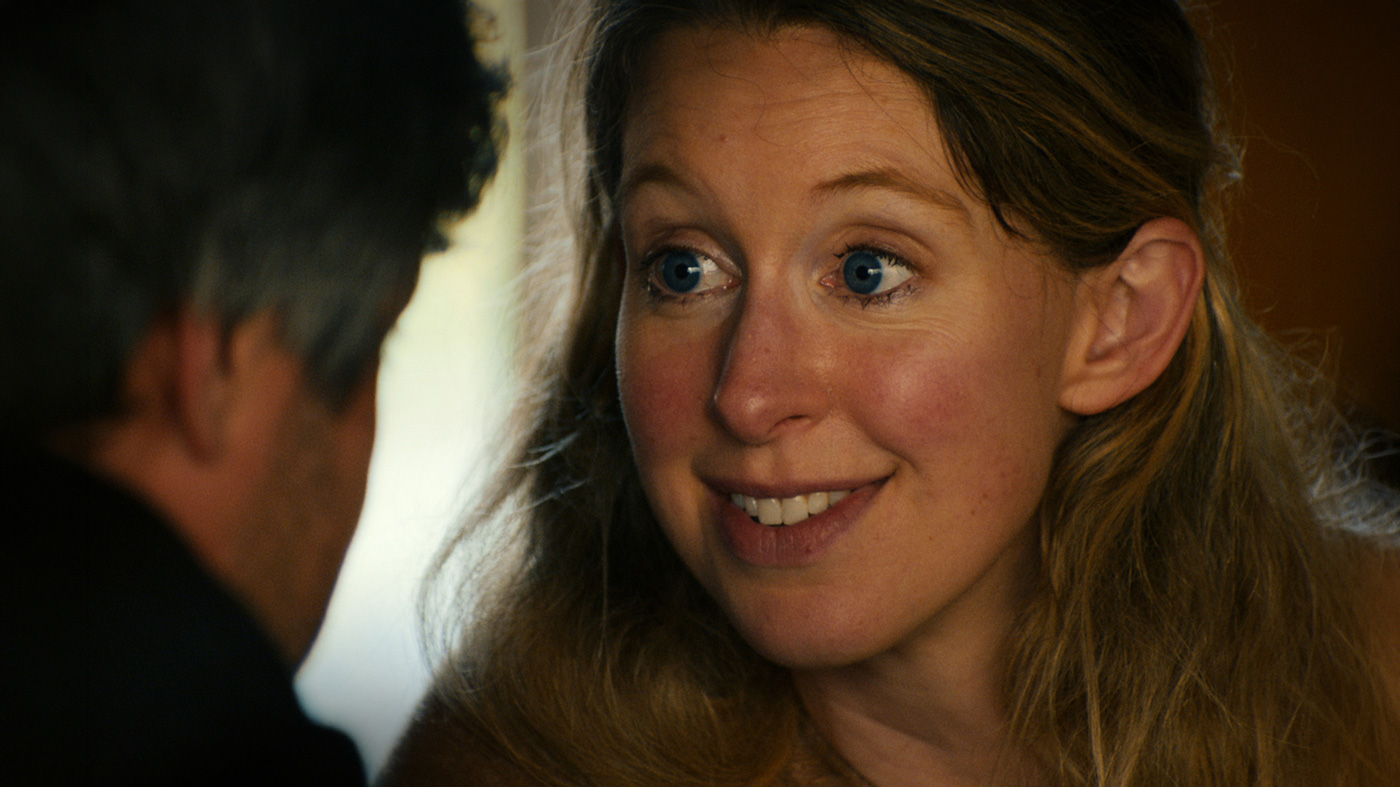
It’s been twenty years since the release of Nobuhiro Yamashita’s seminal coming-of-age comedy ‘Linda Linda Linda’ and we have the ACC to thank for reintroducing us to our four favourite rockers. The film centres around a Japanese high school cover band ‘Paranmaum’ days before the Shiba High Holly Festival. After the lead singer walks out with an injury, the remaining members recruit a Korean exchange student, Son. The girls bond over crushes, school life, and their favourite punk rock band ‘The Blue Hearts’, all while counting down the days to their big performance. The film is a tender, rebellious, and all-too-relatable look at a fleeting period in life.
Upon release, ‘Linda Linda Linda’ was a moderate success in its domestic market of Japan. However, like a B-side buried deep on your favourite artist’s discography, the film gained a significant cult following. For its twentieth anniversary, it’s only right that the ACC brings the quartet back to the big screen for one last song.

Firstly, congratulations on the screening of Linda Linda Linda!
Thank you so much! We’re thrilled to present the 20th anniversary restoration for the first time in Australia!
How did the Asian Cinema Collective start?
The Asian Cinema Collective (ACC) started just over a year ago in Melbourne. Earlier that year, I programmed a Korean horror program at ACMI that featured one of my favourite films from the early 2000s, Save the Green Planet! On the day of the screening, it was amazing to see the audience that had gathered for a film not available on streaming services—and one that had never been shown in Australia before. After that, it was simple. I realised there was an opportunity to bring people together and celebrate these films!


What were some of the films that brought you together?
The first three films we screened last year were Chungking Express (1994), My Sassy Girl (2001), and Battle Royale (2000) – none of which were easily available via streaming. Most hadn’t been screened in Melbourne for quite a while (if ever). We actually had to track down the distributor for My Sassy Girl in Korea and negotiate a special deal to screen the film in Chinatown!
Since then, we’ve showcased films from all over Asia and the diaspora, including the Indonesian martial arts film The Raid (2011), most recently Mississippi Masala (1991) by Indian American director Mira Nair, and classics like Memories of Murder (2003) and Tampopo (1985).
We’re here chatting about the 20th anniversary of Linda Linda Linda. Was it a no-brainer to jump onto screening this one?
Of course—Linda Linda Linda is an absolute classic (and had been on my watchlist for a long time)—so when we saw that the 20th-anniversary restoration was about to be released in Japan, it felt like the stars had aligned! We’ve been in conversations with the Japanese distributor for months. We are so excited to finally share this film with our communities in Melbourne and Sydney!

Why do you think Linda Linda Linda has held such resonance with audiences over the last twenty years?
Aside from being a beautifully shot film, I think many of the themes really resonate with audiences, no matter what part of life they are in. The warmth and authenticity of the film’s depiction of school life and that transition from adolescence to adulthood, the beauty of female friendship and the power of music to bring people together – all key parts of the film that still ring true 20 years later!

The early 00’s was a particularly strong period in Asian cinema. Do you have a theory as to why it was such a rich time in cinema?
That’s a great question, I think there’s a few key factors.
Post the 1997 financial crisis, filmmakers were responding to a time of rapid social and economic change. Many young people felt disillusioned, which led to bold, expressive, and often critical filmmaking. We saw stories that broke away from single-genre conventions, and experimented with tone and narrative (there’s quite a lot of horror comedies in Asia!) A lot of young Asian filmmakers also channeled their lived experiences of that period into powerful storytelling – Memories of Murder, for example, is deeply critical of police and government systems.
The second would be the development and move to digital tools and technological advancement that made making films even easier (although not as easy as today) lowering the barrier to entry for new creatives across Asia to pick up a camera and start filming.
And lastly, I think around this time there was interest at global film festivals (for example, Cannes, Venice, and Berlin), which supported the work of filmmakers such as Wong Kar Wai, Park Chanwook, and Apichatpong Weerasethakul, building visibility and opportunities for Asian filmmakers on an international stage.
In the age of streaming and fast content, why do you think the theatre experience still holds power?
There’s something really special about seeing a film on the big screen – I don’t think many directors go into making a film, with a plan for you to watch it at home or on a phone – so to be able to experience a movie, the way the director intended, with a big beautiful screen and proper sound system and mix is always a privilege. There are several films I have watched at home that I have thought, damn, I wish I had gone to see this at the cinema – the new Nosferatu is a good example of that – some films really benefit from the cinematic experience.
The second part – which is what I love most about ACC – is seeing films with a full audience. We recently screened Mississippi Masala—and to hear the audience collectively experience the film as we watched Sarita Choundry and Denzel Washington fall in love was something else!
Note: this one in particular really featured on the Letterboxd reviews for having an ‘active’ audience
For audiences leaving the screening of Linda Linda Linda and wanting more, what other coming-of-age films would you recommend?
DiDi (2024), Swing Girls (2004), Your Name Engraved Here Within (2020).
What can we expect from the ACC in the future?
We’ve had such a great response to the screenings we’ve done so far in Sydney—and would love to expand this further in the future if we can find the right home!
Showcasing Asian-led stories is a huge part of what we’re passionate about, and we are actively looking for ways to do this at an even bigger scale – including highlighting voices from Asian Australian creators and creating links across the diaspora.
We’ve been really fortunate to have met some great partners along the way (including our friends at Soul of Chinatown!) and hope to continue meeting and working with new collaborators and partners around Australia who can further this mission in the future!
‘Linda Linda Linda’ is screening in both Sydney and Melbourne this November. Head to the Asian Cinema Collective to purchase your tickets and see what other screenings they have coming up! Follow @asiancinemacollective