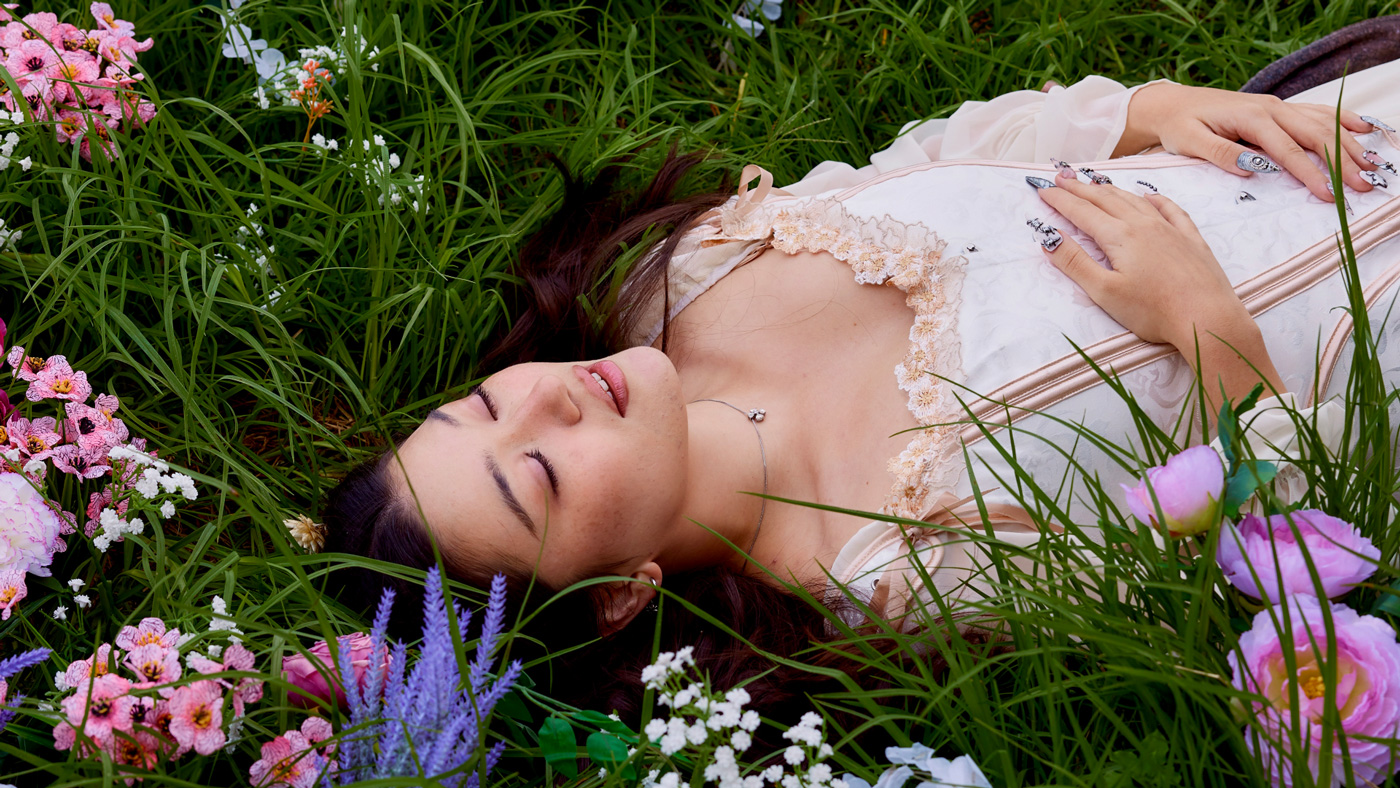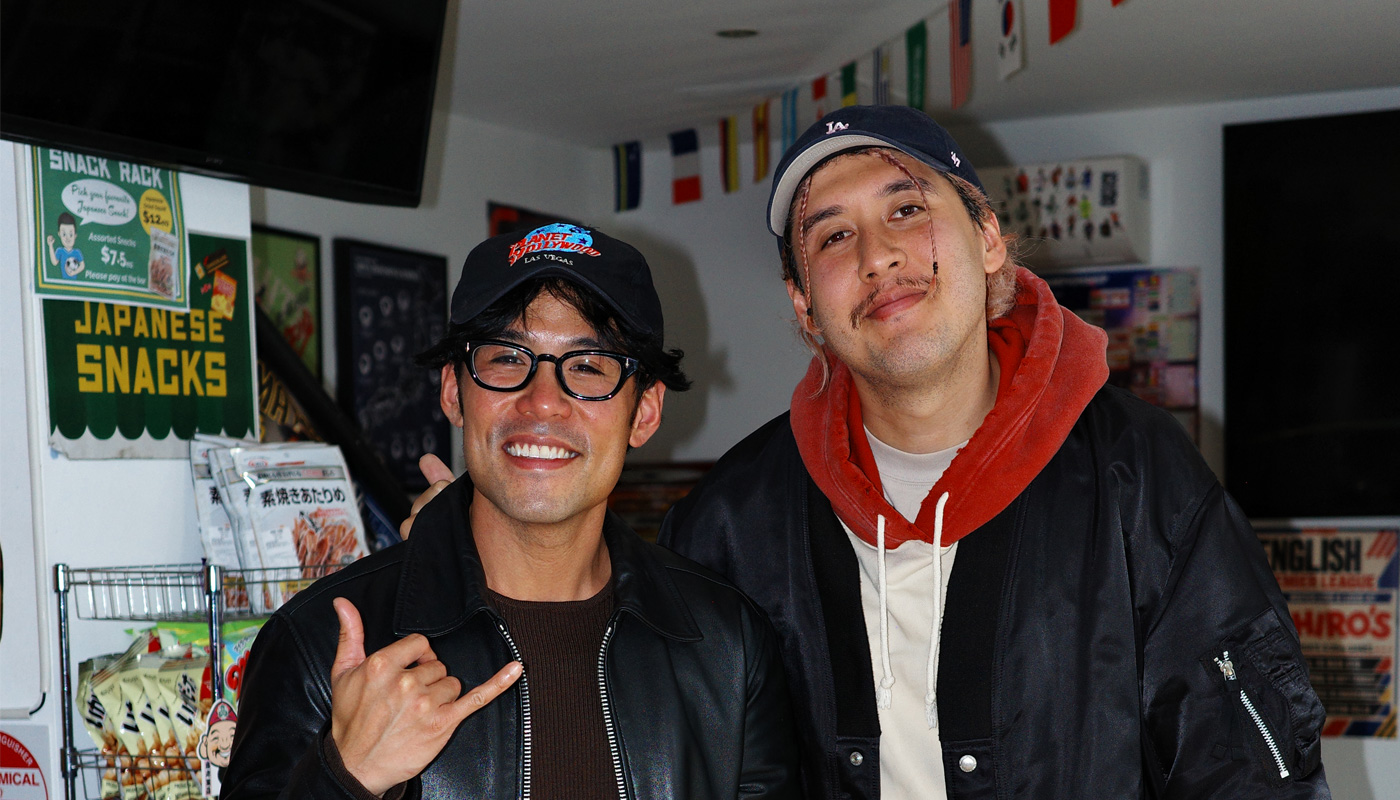

Berni Jiang is a filmmaker based between Sydney and Borloo, Perth. Inspired by the Chinese philosophies she was exposed to growing up, Berni’s approach to storytelling is steeped in minimalism. With a deft touch, she allows her films the space to breathe. Images linger, left untouched by the intervention of dialogue. In Berni’s hands, a longing glance and wordless family meal ring louder than any words could.
Berni’s work spans an impressive breadth, including commercial projects for clients such as ASICS, Champion, and others. However, it is her efforts as a director and screenwriter that have made her one of the most exciting and idiosyncratic voices emerging in the Aussie film scene. In the last few years, she’s garnered attention from film industries both locally and abroad at several film festivals, for her celebrated shorts ‘To Fly A Kite’ and ‘Mango Seed’ (the latter of which we have the pleasure of screening).

Hi Berni! Firstly, thanks for being a part of our collaborative screening with the ACC of ‘Bunnylovr’. It’s been nearly a year since the debut of ‘Mango Seed 芒果芯’ back at last year’s SFF. Since then it has been playing the international film festival circuit, recently taking you to France. What has the last year of living with the film been like?
Thank you for having me! When I finished the film, I felt quite insecure and also worried that festivals wouldn’t take it because of the slower slice-of-life style. But the reception has exceeded my expectations and I would never have imagined where this film has taken me and the experiences I’ve been able to have. I’m amazed and very humbled how a small film we made with friends and family has resonated with people in different parts of the world. Learning from and meeting with different filmmakers at the festivals has really inspired me and every day my love for this craft has been growing. It’s been almost three years since we shot this film and I’ve made another short since but I’m still itching and thinking about the next one.

For complete transparency, we first met a few years ago on a job (shout outs to EST media and NC Qin). At the time, you were in the process of moving over from Perth. What do you remember about that time? How has it been acclimating to Sydney since then?
A couple weeks before we met, I was in Perth completing the final months of my anthropology degree, feeling lost and about to give up on filmmaking as a career before I booked a one way ticket to Sydney in a desperate attempt to claw my way out of a hole. (The hole was giving up on making movies, getting a job in some mining company as HR to make money, and one day return to movies when my family were financially stable).
That year, it rained a lot. I left my flatmates.com.au stay every day with a huge umbrella, not knowing where I’d end up but somehow I was meeting incredible people constantly, discovering interesting art and experiencing culture shock from the myriad of communities in Sydney. My bubble had popped. I’m grateful for every encounter back then and I feel sentimental towards all the people I met during my doe-eyed, naive and passionate self.
The trip changed my life and is the reason I was eventually able to move here and work in the industry. I arrived knowing no one and the people (like you both) welcomed me very warmly so the final move to Sydney has felt mostly very natural. I also remember thinking wow NC Qin is a badass, how kind you both were, how shaky the B-roll was that I shot on that job lol, getting food at Spicy Joint and buying friendship bracelets together.
What role did film play in your life growing up?
I actually enjoyed making “films” before I actively consumed films when I was young. I made travel diaries, I loved archiving and recording, I shot music videos and fashion films with friends. I’m naturally quite shy but it was able to act as a medium of connecting with new people and finding communities outside of my circumstance as well. So for my younger self, film was an outlet of play and also a lens which I learned about and interacted with the world. It was just what I loved to do.

Who are some of your biggest film inspirations and heroes?
There are so many directors I admire and draw from of course but honestly, the filmmakers around me inspire me the most. The dedication, love and care that goes into creating a film is endless and also gruelling – and I’ve witnessed up close people who choose to do it again and again. Anyone with a personal journey with this craft including cast and crew that I’ve had the privilege to follow along and brave these long days on set together is a hero to me.


Your first short film, ‘To fly A Kite’, was an amazing debut that really announced you as a new filmmaker to watch. Were there any lessons you learned from that film you applied when beginning the development of ‘Mango Seed 芒果芯’?
When I made “To Fly a Kite” I didn’t know what I was doing. I made it TO learn how to make a film. I wrote it, directed it and produced it so doing everything gave me a glimpse of the amount of work it takes to even create something so simple. Thus I learned that to ask people to help on your set is a big ask, so it’s important to communicate the workload and expectations. I learned clear and detailed communication across all departments on the creative vision was key. There were many lessons I learned but I’d say the most important lesson was that I knew this is what I wanted to do forever. It felt like the best seven days of my life and that chaotic euphoric feeling of being on set was cemented in me. I learned no matter how hard it would get, that feeling was going to be worth it and to keep my sets communicative and fun for everyone.

‘Mango Seed 芒果芯’ feels very auto-biographical, seemingly drawing from your experience of moving away. What inspired you to make a film that’s hits so close to home?
At the time, I was missing my family back home and I was also often reflecting on the estranged tiger parent trope in popular Asian American media. I decided I wanted to make a film about my dad to unpack this stereotype, so I wrote a bunch of scripts by making things up but they were all terrible. In the end, the script that finally felt right was one that was the truest and closest to my own experience.

Do you remember what it was like when your family, and specifically your father, saw the film?
My parents and my younger brother flew from Perth to watch it at SFF. In the final scene, my brother and I look over at each other and there’s tears streaming down our faces and we couldn’t help but laugh at each other. It was so comical and weird – only the two of us are watching a movie about our Dad played by our own Dad (who is not an actor) on the huge cinema screen. I asked Dad afterward what he thought of the film and he said “It’s okay.” Lol. I asked him what he’d rate it and he said “3.5” which I think is funny because at the moment it’s accurately what we’re rated on letterboxd. Then, just like he always does, he gave me some unsolicited feedback (which were actually great notes). I think my film is meta because just like the Dad he played (my Dad), he’ll never say he likes it or he’s proud of me but I know deep down what it means to him.

To me, the power in your films comes from the scenes where little is said. Instead, the audience is given the time to really sit with moments and images. How do you balance telling a story while still leaving space for subtlety and ambiguity?
I’ve always loved films that were subtle and also I’m just bad at writing dialogue hahah so I have to rely on other cinematic elements to express the beats. My filmmaking style is quite “Asian” in the way that I express with the things that are unsaid, which relates to how I was raised in a Chinese household. It’s interesting the way that these cultural things translate in cinema.


During my anthro degree I studied and reflected regularly about high vs low context culture and having a deeper understanding of these different communication styles has helped me recognise and work on expressing what these unsaid moments are saying to give them power.

Recently we interviewed a mutual friend of ours, Raghav (loved the Videohead cameo). I’m going to ask you the same question I asked him, but this time with a twist. How would you describe the Perth and Sydney creative/filmmaking communities?
I think Raghav himself is a great analogy for this question. When I met him he was just out there making cool shit, having fun doing it and he took it seriously no matter what it was – which I really admired. And to be able to do that, you have to uplift others and help each other out, which I see a lot in both cities. It’s imperative when you’re practicing such a collaborative craft.

Similarly in Perth where if you want to make something great, you have to support each other, possibly even more. The community is a little smaller in Perth and there are less commercial resources to support full-time filmmaking. Most that hail from Perth who want to be in the creative scene are really hustling to be able to.

And lastly, as we started as a food account, we can’t leave you without asking for a food recommendation? What is your favourite meal, spot, or cuisine at the moment?
Recently I’ve been loving the Bun Bo Hue and Hoi An Chicken Rice at Cô Ba in Marrickville. Can’t escape from the chokehold that Vietnamese food has had me in since I moved to Sydney. And for something sweet, the Black Sesame gelato at Gelato Franco down the road. For a drink, I love reading a book in the sun outside Domo39 in St Peters with a flask of my favourite matcha ever, the jasmine matcha.
Thanks to Berni for taking the time to chat. Make sure to follow her @berni.jiang and find all her past work here.
You can watch ‘Mango Seed 芒果芯’ as apart of our special screening of ‘Bunnylovr’ this Friday (29th). For our readers, we have a special discount code for friends and family code. Enter, “FILMCLUB2026” at checkout. Upon purchase, you also go in the running to win one of the special artists’ posters by us (Andrew and Chris).
See you at the movies!